Oil tank services in Lincolnshire.
From a farmhouse heating tank to fuel storage across a working yard. Practical help with removal, replacement, installation and cleaning.
Tell us about your tank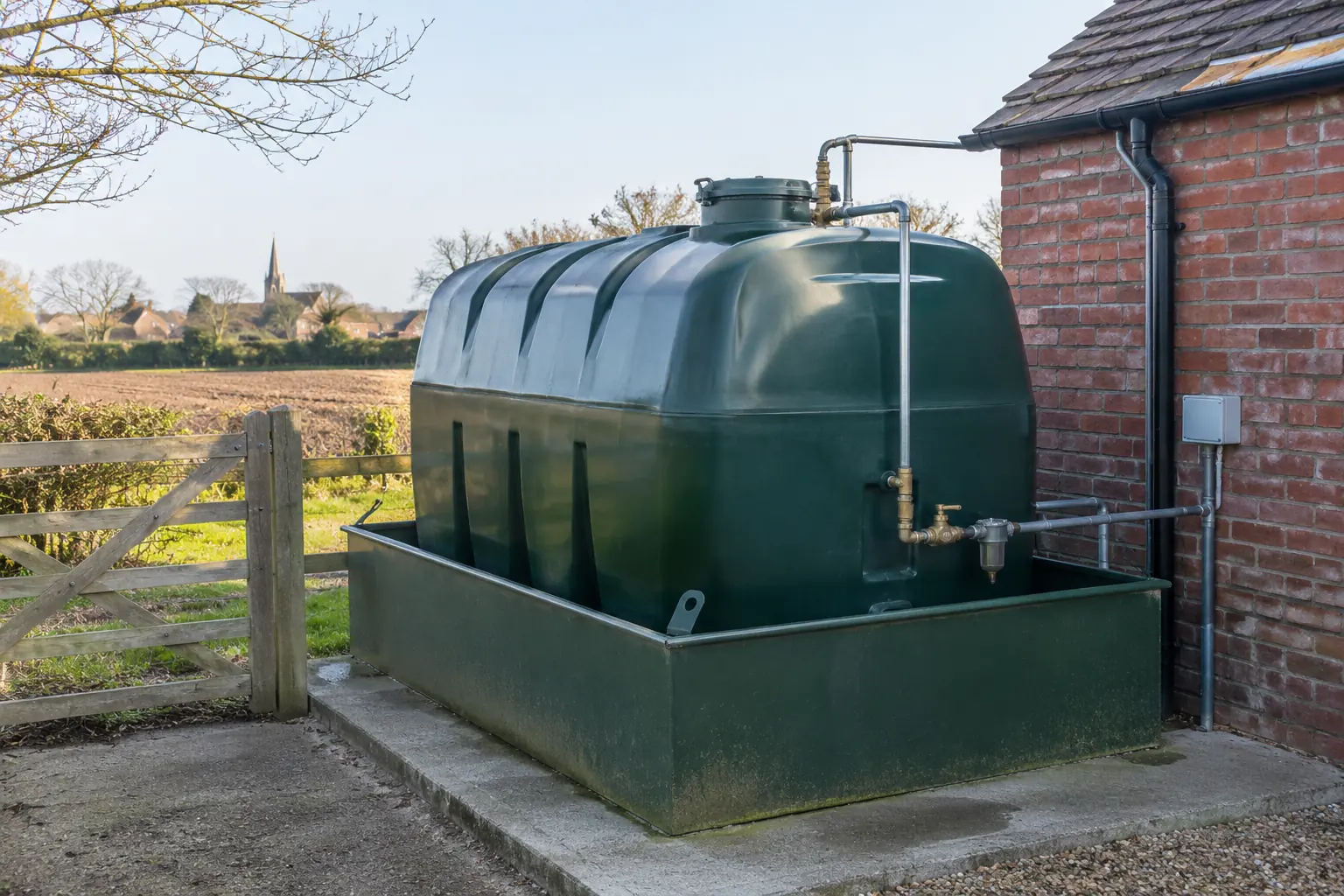
Storage That Needs Attention.
A Sensible Place To Start.
An ageing tank, contaminated fuel or a change of heating system each calls for a different plan.
We help you put the useful details together, so a suitable service provider can respond to the actual job. A photograph of the tank is a starting point. The base, remaining oil, nearby drainage and route in often decide what the work involves.
Removal
Retire a redundant tank, with remaining fuel, old connections and disposal included in the discussion.
Replacement
Review the base and position, choose suitable storage and plan the changeover of your fuel supply.
Installation
Specify a new store around capacity, delivery access, fire protection and the equipment it supplies.
Cleaning
Investigate water and sediment, assess usable fuel and choose a cleaning method suited to the tank.
Underground Tanks
Assess buried storage, compare removal with decommissioning in place and keep useful property records.
Leaking Tanks
Understand the immediate priorities, reporting route, fuel recovery and possible environmental investigation.
The Last Stretch Of The Drive Matters.
Lincolnshire’s rural properties can put a tank a long way from the road. A garden gate, a wet track or a crowded farmyard can shape the removal method before tank capacity does.
The Wolds have dispersed villages and isolated farmhouses, as described by the National Landscapes Association. In those settings, include the full approach when you photograph access. Tell us about surface condition, turning space and anything overhead.
Near drainage ditches or watercourses, explain where the tank sits in relation to water. A spill can travel beyond the storage area. A quote should account for these conditions, rather than treating rural space as unrestricted access.
See the Lincolnshire coverage guide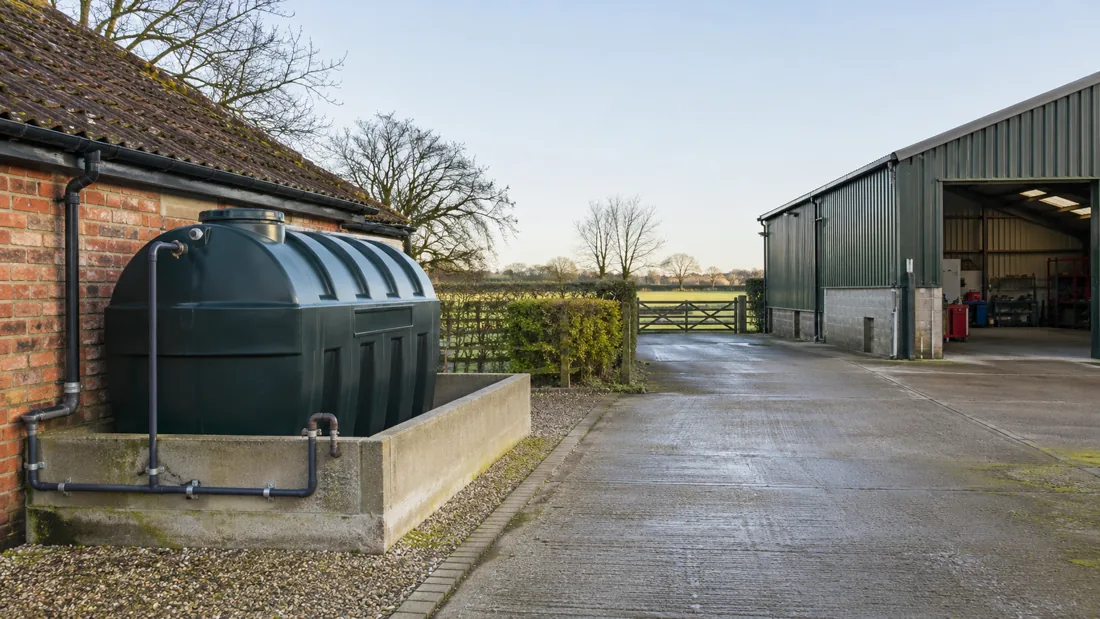
Before Anything Is Disconnected.
A useful enquiry starts with what you need to change and what still depends on the tank.
For an active leak, do not wait for a form reply. Read the spill guidance and use the official reporting route if pollution threatens water.
Describe The Situation
Tell us whether this is planned maintenance, a heating change, a failing tank or a newly discovered buried store. Include the postcode and what the tank supplies.
Establish The Scope
Photos help identify whether a site assessment is needed. Tank size, fuel condition, base works and access all affect the method. The responding provider confirms suitability and availability.
Agree Work And Records
Check what is included before booking: remaining oil, waste, connections, temporary supply and reinstatement. Ask which completion and compliance documents apply to your particular job.
What Does Your Tank Need?
Send a few details about the property and the work. You do not need to know the right technical term or have an exact capacity.
With your agreement, the enquiry can be shared with a suitable service provider to respond. Sending it does not commit you to a visit or a quotation.
Have photos ready? After sending your details, email views of the tank, base and access route to enquiries@oiltankservices-lincolnshire.co.uk. Do not open covers or take risks to get a picture.
A Few Useful Answers.
For homes, farms and commercial sites, the job starts with the same practical question: what is there now, and what needs to happen next?
Can You Help With Both Home And Farm Tanks?
Home and farm tank enquiries are welcome, along with commercial storage projects. Tell us what each tank supplies, because farmhouse heating, agricultural machinery and other business uses can follow different requirements. Photos and a postcode help a suitable provider assess the work and confirm whether the site is within their coverage.
What Should I Send To Get Started?
Start your oil tank enquiry with the postcode, the reason for the work and an approximate idea of tank size and remaining fuel. Describe gates, steps, long tracks or limited parking. You can send the first details through the form, then email photographs without opening the tank or approaching a leak.