What We Help You Arrange
Lincolnshire Oil Tank Services brings together guidance on storage removal, replacement, installation, cleaning, buried tanks and leaks. We help homeowners, landlords, farmers and commercial site managers describe the work they need before a suitable service provider responds.
Some enquiries begin with a clear plan, such as retiring a heating oil tank after a conversion. Others begin with an unexplained smell, a failed filter or a tank found during building work. Knowing the right questions helps define what needs assessing.
From Enquiry To Agreed Work
With your agreement, your details can be passed to a suitable service provider for a response. That provider confirms whether the work is suitable, where they can attend and whether photos are enough or a visit is needed. Any quotation, programme and booking are agreed with them.
Our website does not promise an attendance time, a fixed price or an emergency dispatch service. An active spill needs prompt attention through the appropriate incident and safety channels.
Practical Detail Before Promises
The same-sized tank can be straightforward in one yard and difficult in another. Long approaches, narrow gates, unstable supports and fuel left inside change the work. Our service guides explain these details without asking you to make technical safety decisions yourself.
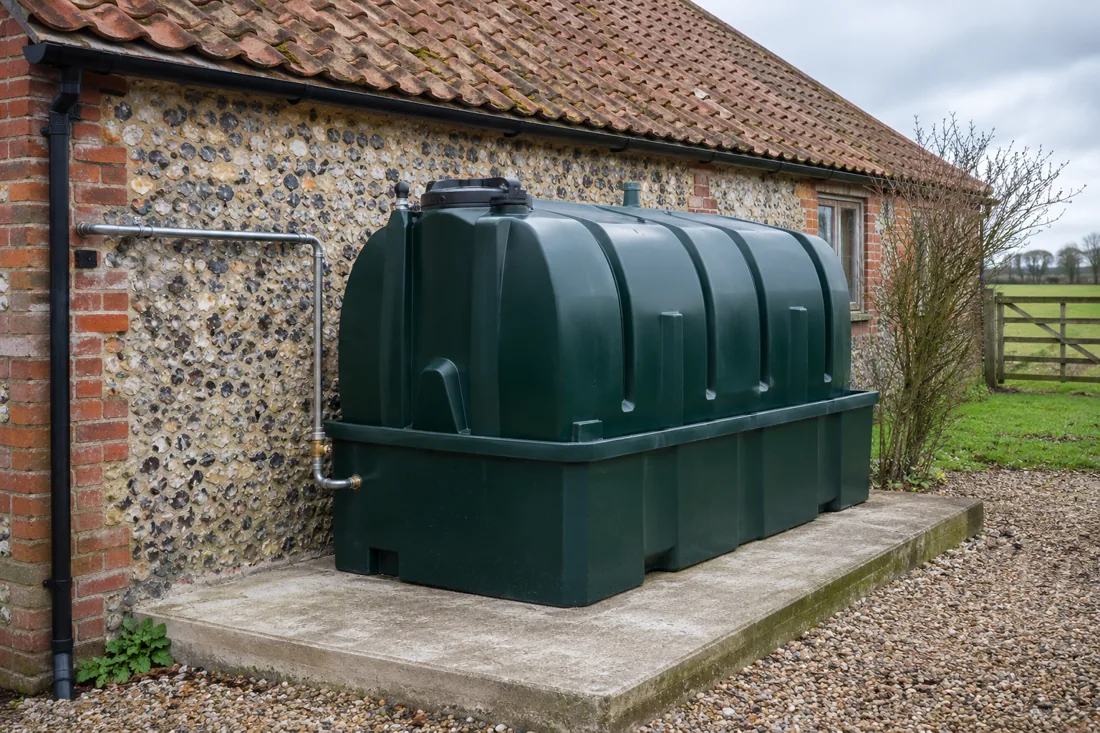
We do not publish invented project histories, reviews or local office addresses. Images illustrate tank settings and equipment, and are not presented as records of completed local jobs.
Ask About Standards And Records
Domestic installation work needs an appropriate Building Regulations compliance route. Business and agricultural storage must be considered against the rules for their actual use. Specialist cleaning or decommissioning can introduce confined-space, waste and lifting requirements.
Ask the proposed contractor about competence, registrations relevant to the work and the documents you should receive. This brand does not claim an OFTEC membership or waste carrier registration. A named certificate should relate to what was actually done, rather than be a substitute for a clear scope.
A Useful First Message
Include the site postcode, what the tank supplies and why you are enquiring. Add approximate capacity and fuel level if known. Photos of the tank, base and access route can follow by email, taken only from a safe position.
Browse common buyer questions, read our coverage notes or send your tank details. You do not need an exact specification before getting started.